
The Role of Extracurricular Activities in a Child’s Development
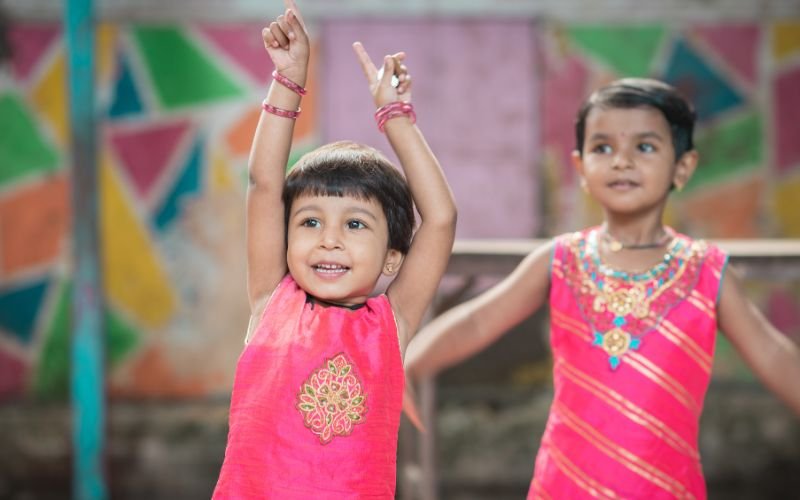
Extracurricular activities go beyond just providing a break from academics—they play a significant role in shaping a child’s growth, well-being, and future success. From sports and music to drama and volunteering, these activities offer much more than just fun. Here’s how extracurriculars contribute to a child’s overall development:
1. Promote Social Skills
Participating in extracurricular activities allows children to interact with peers outside of their classroom setting. Whether through team sports, group projects, or clubs, children learn to collaborate, communicate, and resolve conflicts. These experiences help build strong social skills that are vital for success in both personal and professional settings later in life.
2. Foster Emotional Growth
Extracurricular activities provide children with opportunities to explore their passions and face new challenges. Overcoming obstacles in activities like sports or music builds resilience, boosts self-esteem, and enhances emotional intelligence. Children also learn how to cope with both success and failure, which helps them handle future challenges with confidence.
3. Enhance Time Management and Discipline
Balancing extracurricular activities with schoolwork teaches children how to prioritize and manage their time effectively. Learning to juggle different commitments instills discipline and organization, which are crucial skills that carry over into adulthood, helping them succeed academically and professionally.
4. Encourage Creativity and Critical Thinking
Many extracurriculars, like art, music, drama, and even coding clubs, encourage children to think creatively and problem-solve in innovative ways. These activities nurture a child’s ability to think outside the box, experiment, and develop critical thinking skills that are valuable in many areas of life.
5. Improve Physical Health
Physical activities such as sports, dance, or martial arts promote good physical health by encouraging children to stay active. Regular exercise strengthens the body, improves coordination, and boosts energy levels. It also promotes mental well-being, reducing stress and anxiety.
6. Build Leadership Skills
Extracurricular activities often provide children with opportunities to take on leadership roles, whether it’s being a team captain, a club president, or organizing an event. These experiences help develop leadership qualities such as responsibility, decision-making, and team management, which are essential in all areas of life.
Extracurricular activities are an integral part of a child’s overall development. They offer valuable life skills, experiences, and opportunities that can shape a child’s future success and happiness. Encouraging your child to participate in these activities not only supports their academic growth but also helps them become well-rounded individuals.
